
SkyDrive SD-05
Starting MSRP $2,000,000
SkyDrive SD-05, The Next Step in Personal and Urban Air Mobility
A certified-path eVTOL aircraft.
Authorized U.S. sales, training, and support by Aeroauto.
Seats
2 passengers + pilot
Top Speed
~62 mph (100 km/h)
Range (Target)
~9–25 miles (15–40 km)*
Certification Target
Japan & U.S. pathways underway
Designed for short-range air taxi, premium shuttle, tourism, and early personal ownership programs.
What it is. Who it’s for.
A compact, electric vertical-takeoff aircraft designed for short-range, high-value air mobility missions.

What it is
SkyDrive SD-05 is a piloted, electric vertical takeoff and landing (eVTOL) aircraft designed for short, repeatable flights in urban and regional environments.
- Vertical takeoff and landing
- Electric propulsion with distributed rotors
- Designed for certified commercial operations
- Built for repeatability, not experimental flight
Designed for controlled airspace integration and early AAM deployment.
What it’s designed for
SkyDrive SD-05 is optimized for short-range missions where time savings, access, and reliability matter more than long range.
Typical use profiles:
- Urban and suburban air taxi routes
- Premium point-to-point shuttle services
- Tourism and sightseeing operations
- Regional hops between nearby airports or vertiports
- Early public-sector and pilot programs
Best suited for routes under ~25 miles.
Who it’s for
his aircraft is intended for professional operators and early adopters entering advanced air mobility.
Typical buyers include:
- Air taxi and charter operators
- Tourism and resort mobility providers
- Infrastructure, campus, or municipality pilots
- Qualified private owners in early programs
Pilot qualification, operational approvals, and infrastructure requirements apply.
The Aircraft
A compact, electric aircraft engineered for vertical flight, operational simplicity, and repeatable daily use.
Airframe and configuration
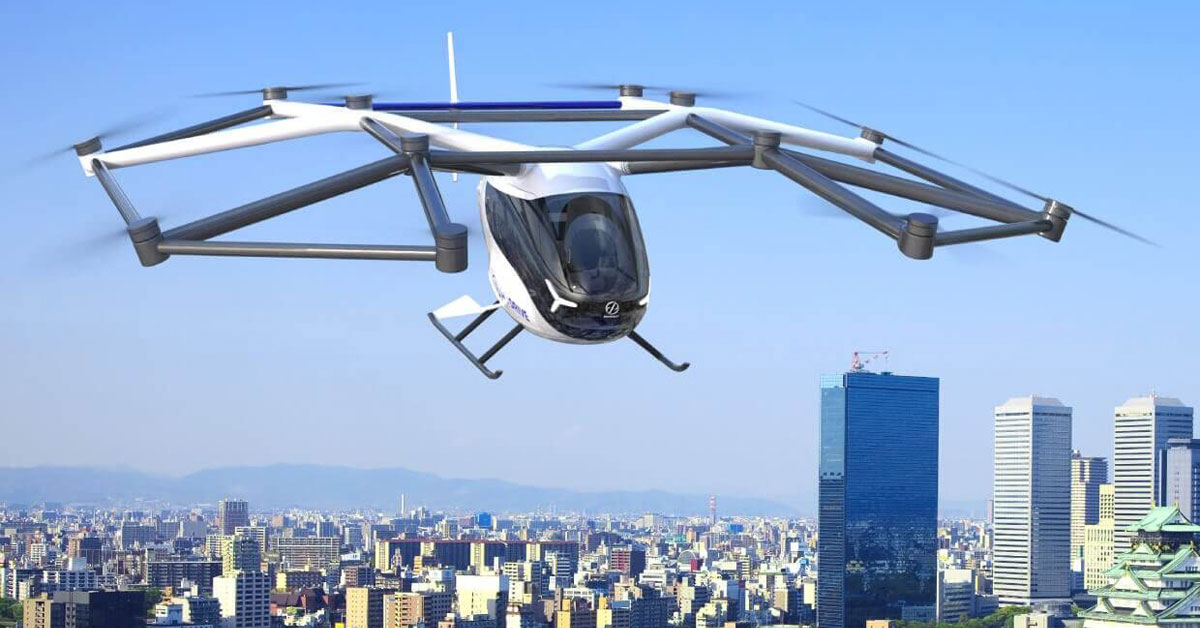
SkyDrive SD-05 uses a distributed electric propulsion architecture with multiple independent rotors, enabling vertical takeoff, landing, and stable low-speed flight.
- Compact footprint for rooftop and constrained vertiports
- Multiple rotors provide redundancy and control authority
- Electric propulsion reduces mechanical complexity compared to helicopters
Designed for controlled vertical operations rather than forward-speed optimization.
Cabin and passenger experience
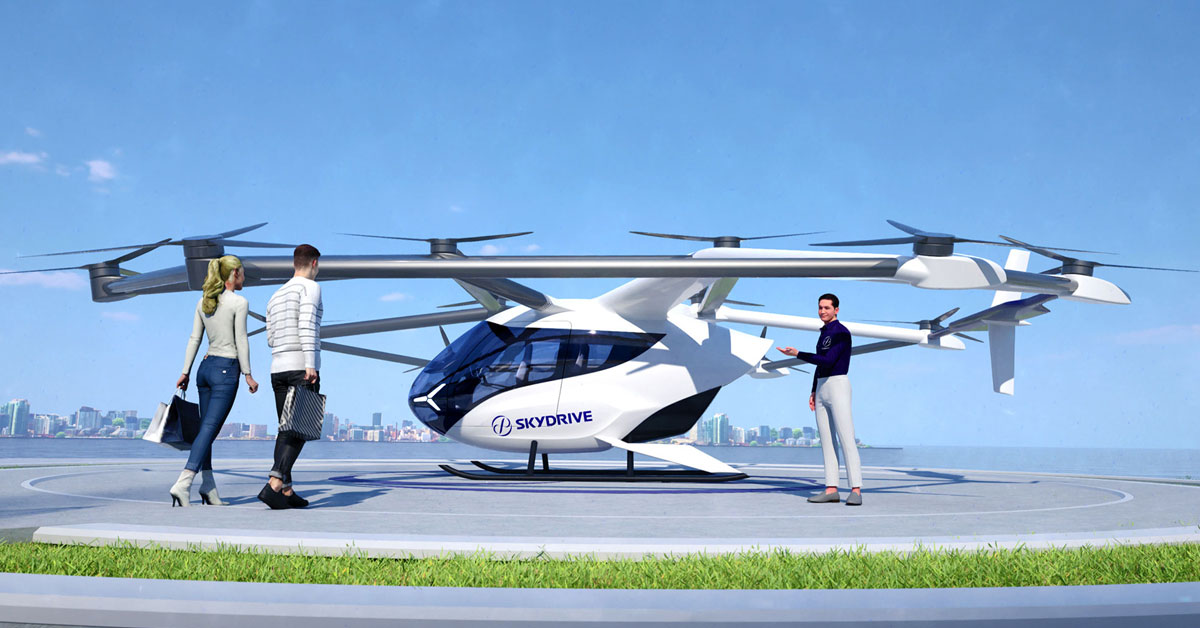
The aircraft features a two-passenger cabin plus pilot, optimized for short, premium trips where visibility, access, and comfort matter.
- Side-by-side passenger seating
- Large windows for visibility and situational awareness
- Low vibration electric propulsion
- Step-in access designed for frequent boarding cycles
Cabin layout prioritizes repeat boarding and operational efficiency.
Safety and design philosophy
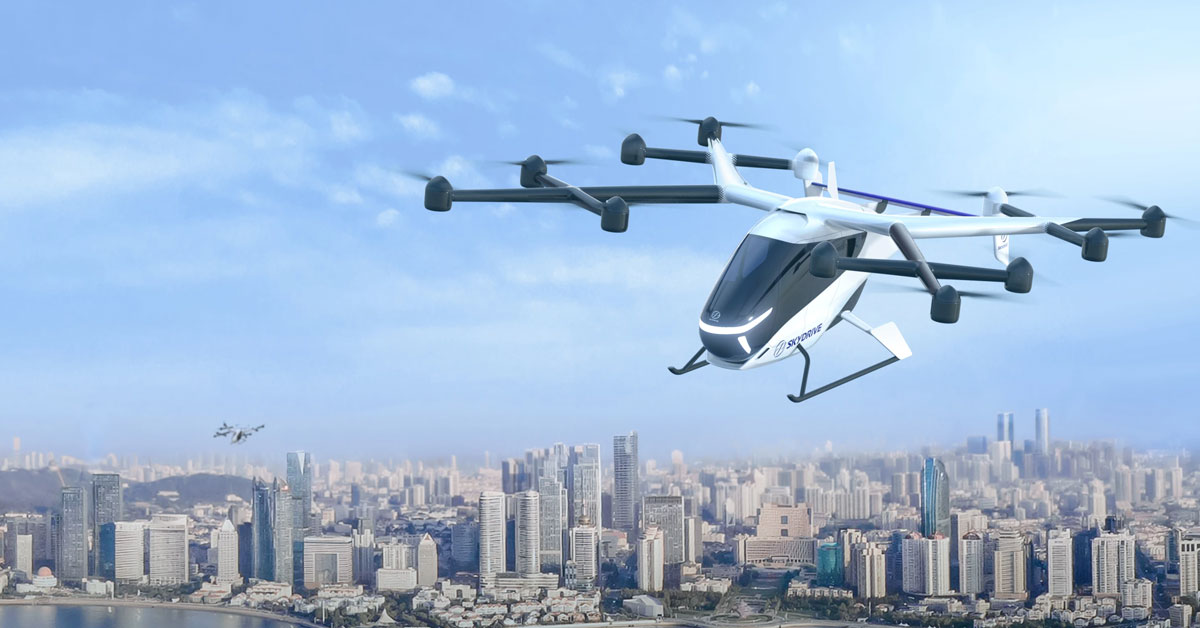
SkyDrive’s design approach emphasizes redundancy, system separation, and simplicity aligned with certification requirements.
- Distributed propulsion architecture
- Independent motor and control pathways
- Fly-by-wire control system architecture
- Designed to align with civil aviation certification standards
Safety systems and performance characteristics are subject to certification approval.
Specs that matter
Key performance and configuration data based on the current SkyDrive SD-05 program.*
SkyDrive SD-05 – Key Specifications
Seating
2 passengers + pilot
Configuration
Piloted eVTOL
Propulsion
Distributed electric propulsion (multiple independent rotors)
Top Speed
~62 mph (100 km/h)
Target Range
~9–25 miles (15–40 km)*
Takeoff / Landing
Vertical (VTOL)
Power Source
Battery electric
Intended Operations
Short-range urban and regional routes
Aircraft Length
~11.5 m
Rotor Span
~11.3 m
Aircraft Height
~3.0 m
Maximum Takeoff Weight
~1,400 kg
Noise Profile
Electric propulsion designed for reduced acoustic footprint
Charging
Ground-based electrical charging infrastructure
Flight Control
Fly-by-wire control architecture
(*) Detailed specifications subject to final certification and approved configurations.
SkyDrive SD-05 is optimized for short, repeatable missions where vertical access, time savings, and operational reliability matter more than long-range cruise performance.
(*) Specifications are based on publicly available SkyDrive program disclosures and are subject to change pending certification and final production configuration.
Certification and timeline
SkyDrive is progressing through established aviation certification pathways in Japan and the United States.
Current Status
Where the program stands today
- Aircraft design and prototype flight testing completed
- Certification basis established with Japanese aviation authorities
- U.S. certification pathway initiated with FAA engagement
- Public demonstration flights conducted under regulatory oversight
Certification Pathways
How certification is being pursued
Japan 
- Type certification pathway underway with national aviation authorities
- Targeting approval aligned with mid-decade deployment programs
United States 
- FAA type certification process initiated
- Certification pursued in parallel with Japan through bilateral cooperation
Indicative program timeline
- Near term: continued flight testing and compliance demonstrations
- Mid term: certification review and conformity testing
- Post-certification: initial commercial and program deliveries
(*) Timelines are subject to regulatory review, testing outcomes, and authority approval.
(**) Aeroauto does not represent any aircraft as certified or approved for operation until such certification is formally granted by the relevant aviation authority.
Ownership and operational requirements
Operating an eVTOL aircraft involves pilot qualification, approved infrastructure, and regulatory compliance.
Piloting and training
SkyDrive SD-05 is a piloted aircraft and requires appropriately qualified pilots in accordance with applicable aviation regulations.
- Pilot licensing and ratings required
- Type-specific training expected
- Recurrent training and proficiency checks apply
Training pathways are defined in coordination with regulators and approved training providers.
Infrastructure and operating environment
Operations require approved takeoff and landing locations and suitable ground infrastructure.
- Vertiports, heliports, or approved landing areas
- Electrical charging access
- Airspace coordination and local approvals
Infrastructure requirements vary by jurisdiction and mission profile.
Maintenance and technical support
Electric aircraft require structured maintenance programs aligned with certification standards.
- Scheduled inspections and component checks
- Battery monitoring and lifecycle management
- Manufacturer-approved maintenance procedures
Maintenance programs are finalized as part of certification approval.
Insurance and compliance
Aircraft operations require appropriate insurance coverage and ongoing regulatory compliance.
- Hull and liability insurance
- Operational approvals for commercial use
- Compliance with local, state, and federal aviation rules
Insurance availability and requirements evolve alongside certification and operations.
How Aeroauto supports ownership
Aeroauto supports customers through the full ownership and readiness process, including acquisition coordination, training alignment, infrastructure planning, and ongoing operational support. Operational requirements are subject to certification, regulatory approval, and local authority permissions. Aeroauto does not provide regulatory exemptions.
- Pre-purchase readiness assessment
- Training and onboarding coordination
- Service and support network access
- Ongoing customer advisory support